
Are You a Lazy Gardener? Or, a Habitat Hero?
Jan 8, 2026
What’s a life lived without any vices, dirt or messiness? I might reply, boring.
Because, when I think about it, what’s more interesting to witness and be a part of?
If you think about it, this can translate to our garden spaces as well. If neatly mown lawns and tidy formal displays are ‘the party’, then naturalistic plantings and habitat spaces are the ‘after party’, right? A little chaotic but full of interesting things and so much less effort spent fighting nature.
What if we could do just enough in our gardens to make it feel well-healed and cared for, while also letting the wilder side of things in (ie supporting local flora, fauna and eco services)?
Today's Mission
Let’s checkout a few easy things that we can do (or in some cases, not do). Because, as it turns out, letting some mess into our outdoor spaces and choosing to do less (but more impactful tasks) helps both us and nature thrive. And, the next time someone shoots a ‘lazy gardener’ comment your way, you can reply that you’re actually a habitat hero! (because two things can be true at the same time, but we won’t tell them that).

Dirt, Sand & other Bare Patches
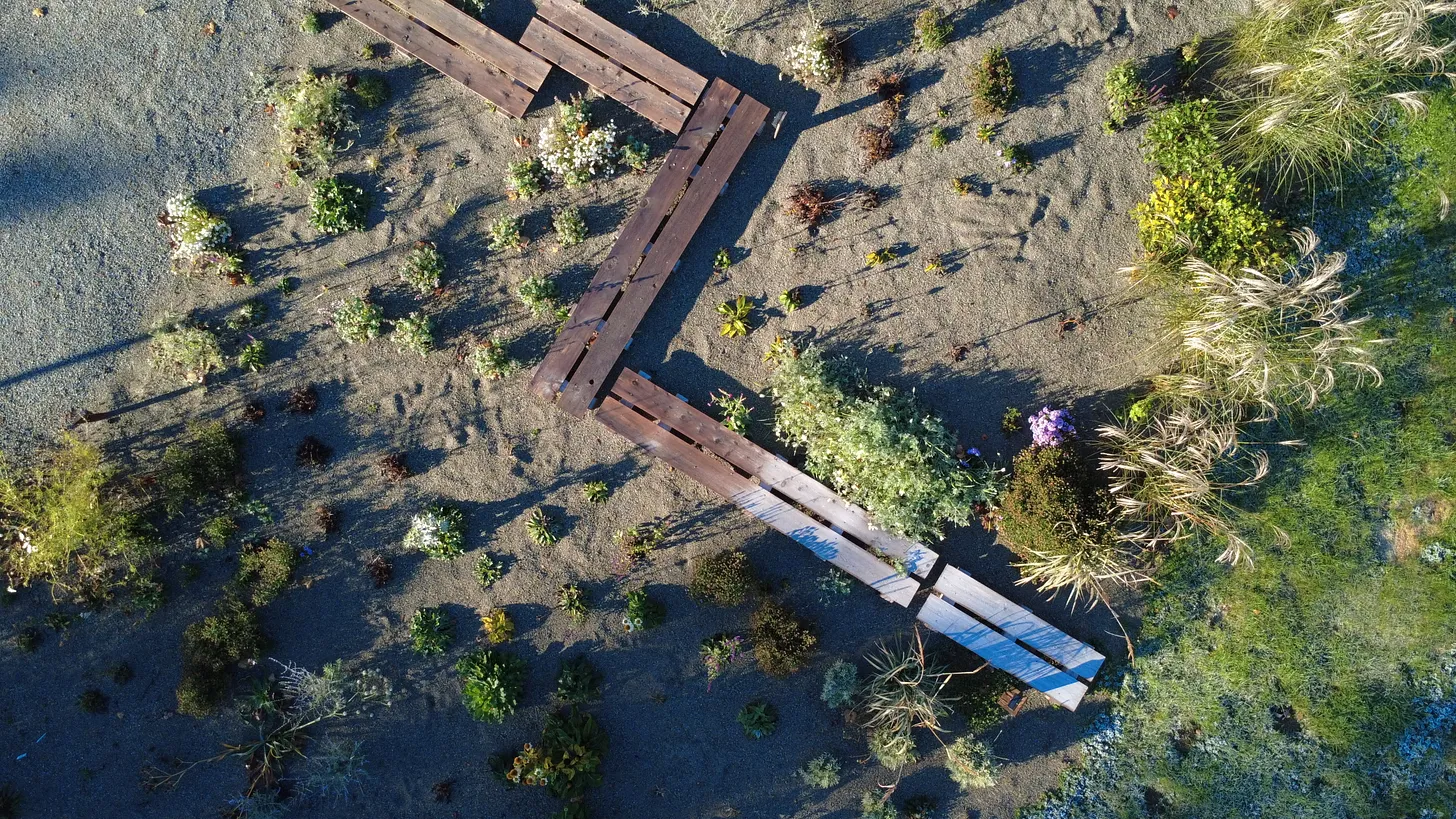
Ok, so those bare patches around your garden, that you’ve been meaning to throw some grass seed on, what if you just left them?
As it happens, dirt, sand and mud are the top places that solitary bees need for nesting. In fact, some 70% of our native bee species are non-aggressive ground-nesters. These ladies prefer to lay their eggs in soft materials. During their short life span they work to dig a group of tiny tubes that appear as 6mm (1/4”) diameter holes. Into which they load pockets of nectar and pollen (for their young to eat) and their eggs. They are some of the earliest bees to emerge in the spring and help to pollinate tree fruits and early veg crops. And, all you have to do to encourage them is leave those bare patches alone. Avoid tilling or disturbing the soil (the bees will add aeration), using any chemicals are other harmful substances and consider using leaf mould or compost as mulch instead of bark chunks that block access to the soil.


Dead wood & Plant Stalks
You guessed it, the other 30% of native bees are cavity-nesters. They look for hollow or pithy plant stems, or ready-made beetle holes in decaying wood to nest in. These are also the same guys that trendy ‘bug hotels’ and bee tubes are made for. But be aware that nature always provides the best habitat, it’s healthier for the bees to have access to intact plant stems and dead wood that doesn’t require human hands to clean (as they can spread of disease and harmful mites without careful maintenance).

All kinds of birds are also seeking out seedheads and food sources to get them through lean winter months. So leaving them intact is really inviting your local and migrating birds into the space. Plus, you get a free show (I have become seriously addicted to apps like, Merlin Bird ID, that can identify and help you track birds based on their calls alone).

Branch & Log Piles
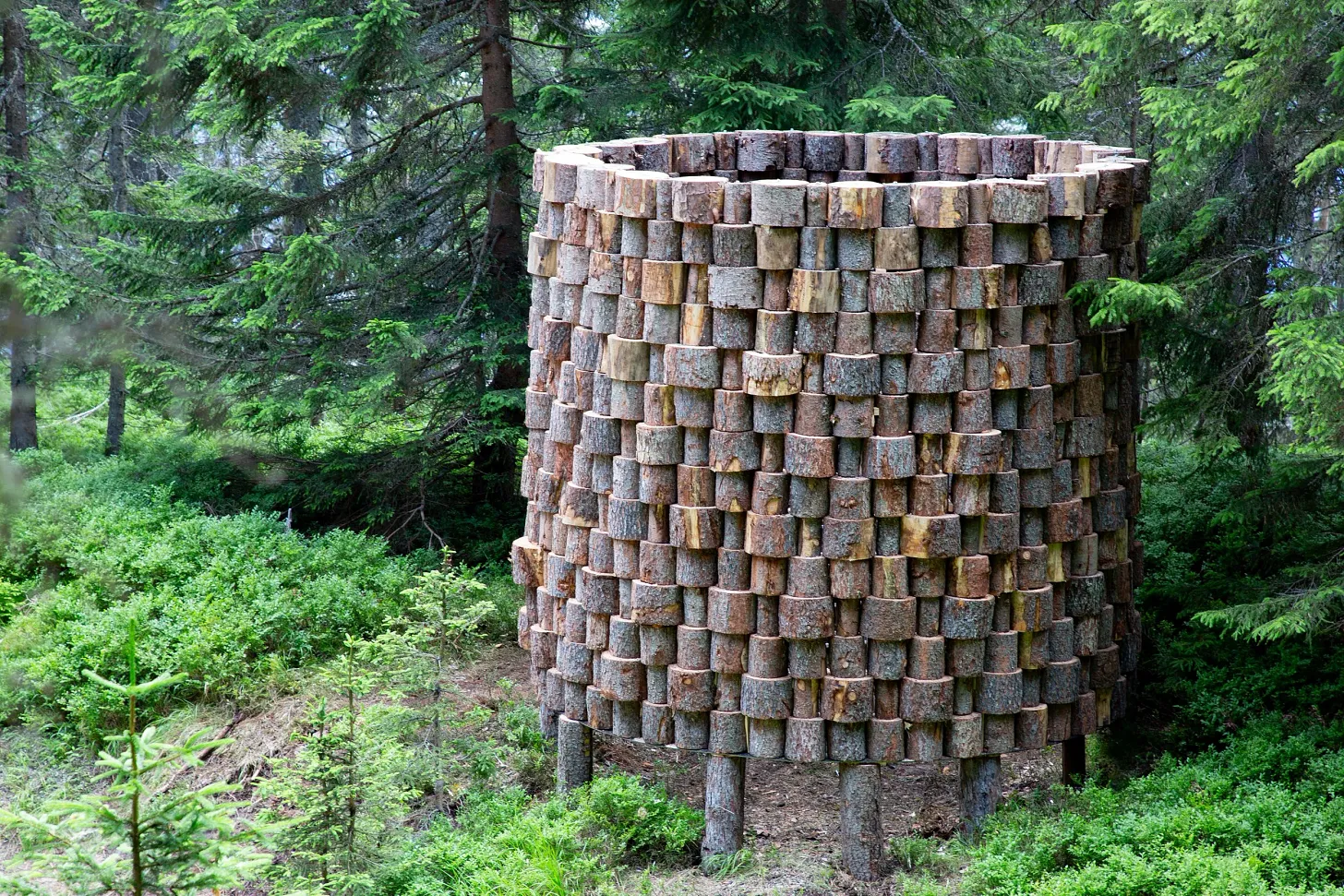
As for all of those twigs and bits of brush that usually end up in the burn pile. Why not use them to make something sculptural and useful instead? Deadhedges, log stacks and the like can be both beautiful and add ecological value.

Woody biomass, like hedge clippings, twigs, brush and branches provide shelter for wildlife, food and nesting material. Insects such as bumble bees, beetles and woodlice, earwigs and spiders will happily take up residence. Will attract birds, lizards and frogs, plus snakes and small mammals like voles and mice to these sites. And let’s face it, I’d rather have them happy in their homes and not in mine (it’s a win-win really). And all it takes is a bit of creative energy to build (I find them quite therapeutic to construct). A kind of ephemeral sculpture that teams with live and is easily made, changed or moved as needed. They also look great with vines like honeysuckle and clematis sprawling over their structure.


Putting Waste to Work
If you currently have construction waste on your site, there’s something to be said for leaving it. Why cart it away, burn or dump it, when you can make use of it? Many forms of ruble, rock and stumps, including concrete chunks and old brick can be used to build walls and other structures, crushed into substrate or made into furniture that both you and nature can enjoy for decades. If you’re in the UK, this is something that Hilldrop Training is teaching brilliantly through Care Not Capital (I wish we had this available in Canada).


Leave the Leaves
You’ve likely seen others downing their rakes to join this movement over the past decade or so.
Allowing leaf litter to naturally build up and decay improves soil and provides a safe space for queen bees to overwinter. As do ornamental grasses and other perennials that haven’t been chopped back or raked clean (don’t get me started on gas powered blowers). And, it’s not just bees, but also: worms, snails and firefly larva, moths, butterflies and salamanders, frogs, bats, turtles and so many more.
Not to mention all of the bird species and small mammals like shrews and squirrels that feed on those insects. It’s worth noting that 96% of (land) birds need insects to survive (a single pair of Chickadees can consume 15,000 caterpillars during breeding). So, let’s them be our pest control agents.
It’s all part of being clever enough to recognize a good thing when you see it. Why get in Nature’s way, when she’s doing most of the work for us (or in spite of us, in some cases).


Mow Less (or, dump the turf altogether)
Now I’m not a huge fan of turf grass or lawns, but I do think that they have a place in our landscapes. And, as it goes, mowing less is not only good for lowering pollution and creating more habitat but it’s also better for the grass itself.
Many opportunistic perennial weeds love a low frequently cut lawn. As the turf is attempting to recover from the constant topping, it doesn’t offer weeds like creeping buttercup much of a challenge. They will grow all winter and eventually out compete it. So, try letting it go until well into spring, cutting higher and less frequently and you may be surprised with the results.
Think about mowing selectively and/or rotating areas, so that insects and small creatures always have some space to live and aren’t forced to take shelter elsewhere, like nearby buildings. Try creating patterns to satiate that primal desire for neatness. You can still create a safe secure feeling without chopping absolutely every blade of grass in the vicinity. Mow edges, spirals, pathways or even a labyrinth and leave the rest. Or, try something different each time.
Go chemical free, add diversity to your plantings and limit lawn to places where it is useful like sports fields, paths and between turf pavers.

Thoughtful Trimming & Pruning
Do choose to remove invasive and or unwanted species, divide and move and add diversity by direct seeding, planting bulbs and more native species. Winter is also a great time to checkout the health and structure of shrubs and trees. Taking out any dangerous, diseased or distressed material. Being sure to leave some deadwood, snags and/or stumps behind.

Winter cutback, pruning and general cleanup used to fill my schedule, back when I worked in the parks system. In those days, we were constantly moving from site to site, trying to beat nature into submission. Always working to force some plant, tree or shrub into a shape and/or space that it didn’t fit in naturally. Now I know that this was a waste of time. Today, I strive to make better choices, to plant naturalistic landscapes that require less (but more thoughtful) intervention from human hands and I can say that it works.
So, welcome in some messiness (it’s so much more interesting). Plus you’ll have more time to be in your greenspace rather than working at it. You can read a book, have a snack or watch a goldfinch devour an entire head of sunflower seeds (while your neighbours are mowing their lawns). Welcome to the afterparty, Habitat Heros.
Sara-Jane at Virens Studio & Hedgecraft Willow
Naturalistic planting and landscape design in the heart of the Fraser Valley of Canada. And now also, a sustainable willow farm. Producing fine crafting and structural willow materials.
© Virens Studio 2025 (all photos are used for demonstration purposes and do not necessarily belong to us.)
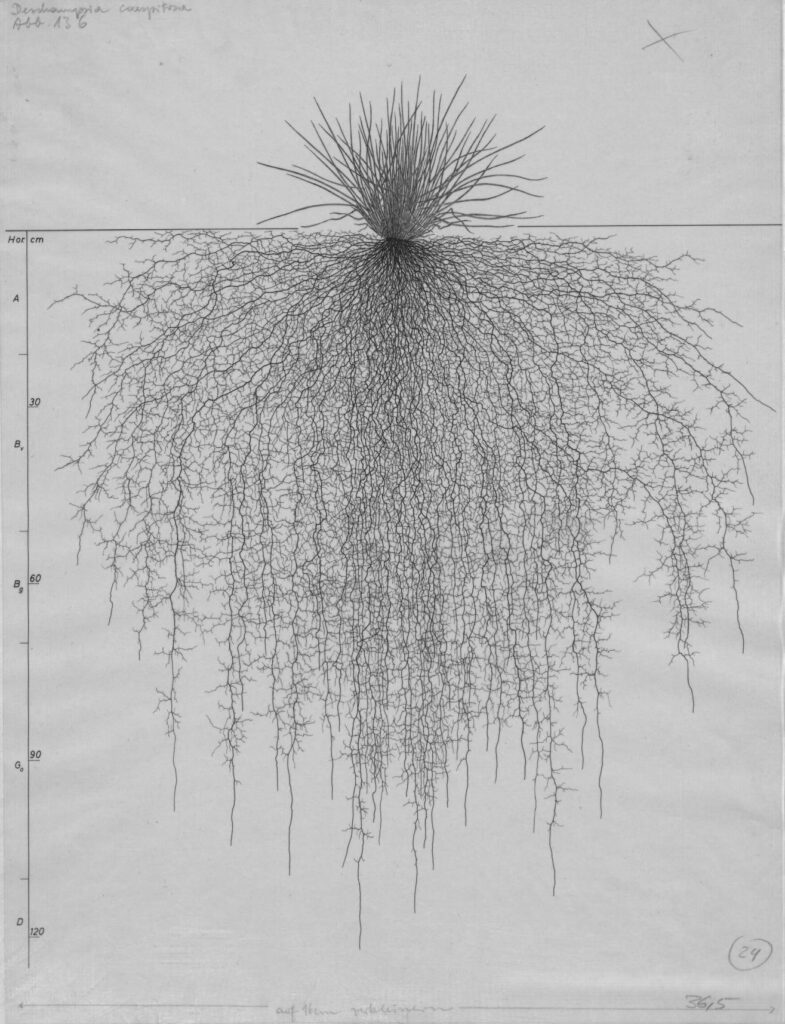
Have you ever wondered why Dandelions are so hard to get rid of? One look at a drawing of its root system says it all. As you can see, they anchor the plant over 4.5m (14′) deep. This startling illustration is just one of the 1100+ invaluable drawings contained in the Wurzelatlas (which translates literally…
Astonishing Root Drawings that Will Elevate Your Planting Designs
I’ve been working as a gardener and landscape designer for nearly 20 years. In some ways, I find this hard to believe (there’s more to learn) and also totally true (when I think back to some of the things that I was doing in my first years in the Parks Department). But I digress, what…
How I Choose Plants (as a Professional Landscape Designer)

I see people slowing down for a good long look at my new garden. And as I clock their movements, in my mind I can hear them saying, “what kind of landscaping is that?, the plants are all soooo small and what’s with all the sand?!” Well, as a planting designer, former parks gardener and…
The Sand Garden: A New Experiment Begins